
Introduction
A safari isn’t only about wildlife; it’s also a journey into the heart of East Africa’s diverse cultures. In this post, we encourage travelers to enrich their adventure by engaging with the people who call these lands home. From visiting a Maasai village to tasting local cuisine under the open sky, we’ll explore how cultural immersion can be a highlight of any safari. The goal is to show novices that an East African safari offers not just breathtaking animals, but also authentic human connections and cultural insights.
Meeting the People of East Africa:
East Africa is a tapestry of cultures and ethnic groups, each with its own languages, traditions, and history. One of the most famous are the Maasai – semi-nomadic pastoralists known for their bright red shúkà cloth and incredible jumping dances. Many safari itineraries include an optional visit to a Maasai boma (compound). We paint a picture of that experience: you arrive and are greeted by warriors singing a welcome song, joining them in a traditional adumu jumping dance, feeling the beat of the chanting in your chest. Inside the village, women may show you their handcrafted beadwork – colorful jewelry rich with cultural significance – which makes a meaningful souvenir that also supports the community. Through these interactions, travelers learn about Maasai life: how they herd cattle, build homes from mud and sticks, and maintain traditions in a modern world. It’s an eye-opening experience that fosters respect and understanding.
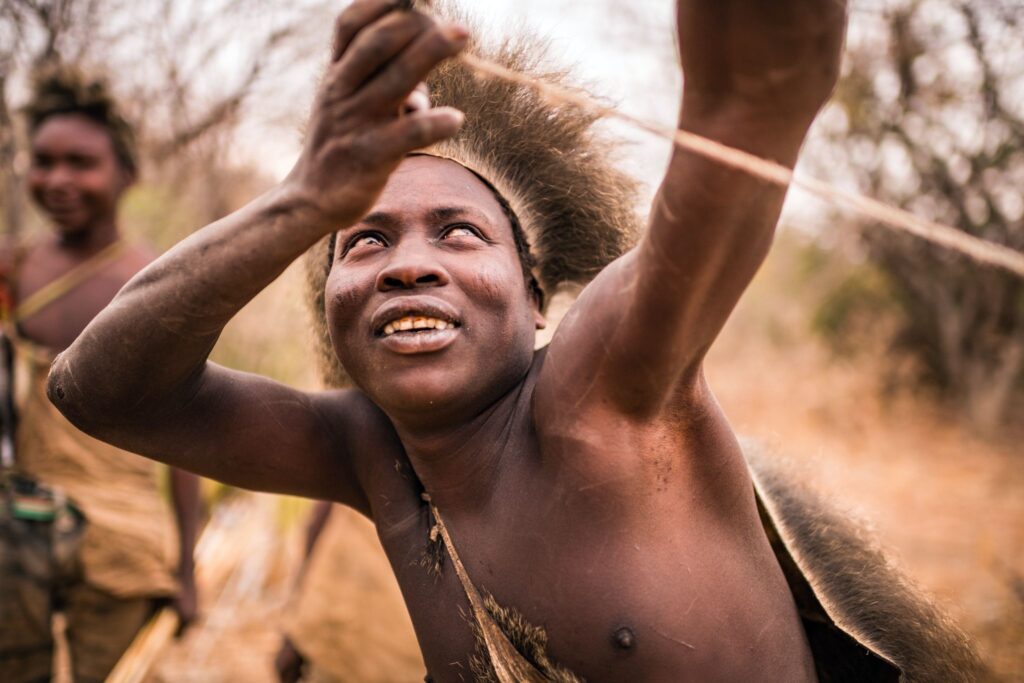
But the Maasai are just one piece of the puzzle. If your safari extends to Tanzania’s Hadzabe people near Lake Eyasi, you might join a dawn bushmen hunt, learning about traditional hunter-gatherer skills. In Uganda, you could meet the Batwa people, one of the oldest indigenous groups in Africa, or in Kenya, spend time with the Samburu to hear their singing and see their intricate beadwork. These cultural encounters give travelers a deeper appreciation of the richness of East Africa beyond the wildlife. We stress how important it is to engage respectfully and ethically: visiting community-run cultural programs (often supported by responsible safari operators) ensures that tourism benefits local people directly.
Tasting East Africa – Cuisine and Hospitality:
No cultural journey is complete without exploring local food. Fortunately, East African hospitality often invites travelers to the table. We describe a typical spread: perhaps you’ll try nyama choma, a style of barbecued meat that is a staple in Kenya and Tanzania, often goat or beef grilled over open coals and served with a side of ugali (a polenta-like cornmeal mash). In Uganda, you might taste matooke, a delicious steamed plantain dish, or enjoy a cup of spiced chai (tea) in the cool highlands. We encourage first-timers to be adventurous but also provide practical tips: if you’re eating local foods, embrace it but ensure they are from clean, safe sources (your tour guide will usually know the best spots). Many safari lodges serve a mix of international fare and local dishes – one night you might have wood-fired pizza, and the next, a buffet featuring Tanzanian curries, grilled fish, and fresh tropical fruits.
Language & Customs:
Teach a few friendly phrases that travelers can use, like “karibu” (welcome in Swahili), or “ashe oleng” (thank you in Maa, the Maasai language). A little language goes a long way in showing respect and often brings out warm smiles. We also mention common customs, like the importance of a handshake when greeting, and how many East Africans value a gentle pace in conversations – don’t jump straight to business, but first ask “Habari gani?” (How are you?). Remind readers that East African cultures may have different norms – for example, modest dress is appreciated in rural villages or towns (cover shoulders and knees, especially for women, out of respect
Ethical and Meaningful Interactions:
A crucial part of this post is advising on responsible cultural tourism. This means choosing experiences that are not exploitative. Many reputable safari operators promote visits that genuinely benefit the community – such as purchasing handmade crafts directly from artisans, or visiting conservation and education projects. For example, guests might tour a community-run school or a wildlife sanctuary where fees support local development. We highlight that such activities not only create lasting memories for travelers but also empower local people, creating a positive impact through tourism.
Conclusion:
Wrap up by describing a perfect cultural moment to leave a lasting impression: perhaps sitting around a campfire at your safari camp with local staff, listening to folktales or traditional music. The night is alive with both the chirping of insects and the laughter of new friends. By engaging with East Africa’s cultures, first-time safari travelers don’t just witness Africa’s beauty – they become part of its story. This post shows how an open heart and mind can make a safari so much more than a series of game drives – transforming it into a journey of cultural discovery and mutual respect.


