Table of Contents
- What Defines a Luxury Safari Lodge
- Location and Wildlife Proximity as Quality Markers
- Guiding Standards and Expertise You Should Expect
- Safari Lodge Service Quality Criteria That Matter
- What to Expect at a Luxury Safari Lodge
- Safari Lodge Sustainability Standards and Conservation Impact
- Evaluating Exclusivity and Private Concessions
- Hidden Costs vs. All-Inclusive Pricing
Last Updated: August 11, 2026
What Defines a Luxury Safari Lodge
A luxury safari lodge quality standards guide helps discerning travelers distinguish genuine luxury from marketing hype. The difference comes down to measurable criteria: wildlife proximity, guiding expertise, service protocols, and conservation commitment.
Luxury safari lodges operate on fundamentally different models than standard camps. They prioritize guest density ratios, invest in staff training that extends beyond hospitality into tracker expertise and naturalist credentials, maintain vehicle fleets with regular safety audits, and employ chefs trained in fine dining. These operational standards directly affect what you experience on a game drive and what you remember afterward.
The challenge is that luxury has become a catch-all term. A property with high thread-count linens and a wine list isn’t necessarily a luxury safari lodge. True luxury in the African bush means deliberate choices about location, guest capacity, hiring, and staff expertise.
Location and Wildlife Proximity as Quality Markers
The location of a safari lodge determines everything about your wildlife viewing experience. A property positioned near a wildlife hotspot with year-round game presence operates differently than one in a marginal area. The difference is the gap between seeing lions regularly and hoping to see them once during your stay.
Quality luxury safari lodges are typically situated in private concessions or within protected areas with proven wildlife density. A lodge in the Serengeti’s core migration zone operates under different seasonal patterns than one on the periphery. The best properties have spent years mapping animal movement patterns and positioning themselves where predator-prey dynamics create consistent viewing opportunities.
Proximity affects guiding strategy. Guides at wildlife hotspots can spend extended time with a single sighting because they know another opportunity will present itself tomorrow. Guides at marginal locations rush from one sighting to the next, never lingering. When your guide can say “we’ll stay here for another hour if you’d like,” that signals operational confidence rooted in location quality.
The best properties maintain exclusive or semi-exclusive access to their viewing areas through private concession agreements, exclusive use rights, or remote locations where other operators rarely venture. Guest density becomes the practical measure, fewer vehicles competing for the same animals means better sightings and more authentic moments.
Guiding Standards and Expertise You Should Expect
The guide is the single most important variable in your safari experience. A guide with tracker expertise, naturalist training, and years of field experience creates an entirely different experience than a driver with basic wildlife knowledge.
Quality luxury safari lodges employ guides who hold recognized certifications. In East Africa, this might include credentials from the Professional Guides Association. These certifications require demonstrated knowledge of animal behavior, bird identification, ecology, and safety protocols.
Beyond credentials, the best guides have spent thousands of hours in the field. They know individual animals, that particular leopard’s hunting patterns, which pride of lions uses which territory, where specific bird species nest seasonally. This knowledge transforms a game drive from “we saw a lion” into “we watched that male lion’s coalition strategy as they hunted near the riverbed.”
Staff-to-guest ratios matter directly. A lodge with one guide per four guests can provide personalized attention and adjust the itinerary based on what’s happening. When your guide can spend time understanding your interests, the experience becomes bespoke rather than standardized.
Ask about guide training programs. The best properties invest continuously in staff development, bring in specialized naturalists for training sessions, and encourage guides to pursue additional certifications. This investment signals that the lodge views guides as core to the product.
Safari Lodge Service Quality Criteria That Matter
Service quality in a luxury safari lodge operates differently than hotel service. You’re evaluating whether the lodge anticipates your needs in an unpredictable environment, whether staff communicate clearly about logistics, and whether they handle problems with competence.
Start with communication protocols. How does the lodge handle weather changes, vehicle breakdowns, or unexpected wildlife situations? Do guides have radios? Can they communicate with the lodge in real time? The best properties maintain constant communication between vehicles, lodge management, and guides.
Response time to requests matters. If you ask for a specific experience, a night drive, a bush dinner, or a walking safari, how quickly does the lodge accommodate it? The best properties build flexibility into their daily schedule. A lodge that says “we can do that this evening” is operating with built-in flexibility.
Staff knowledge about the lodge’s own operations is a practical indicator. When you ask about meal timing, vehicle departure, or any logistical detail, do they answer confidently? Staff at quality properties know the operation intimately.
What to Expect at a Luxury Safari Lodge
Accommodation Comfort and Amenities
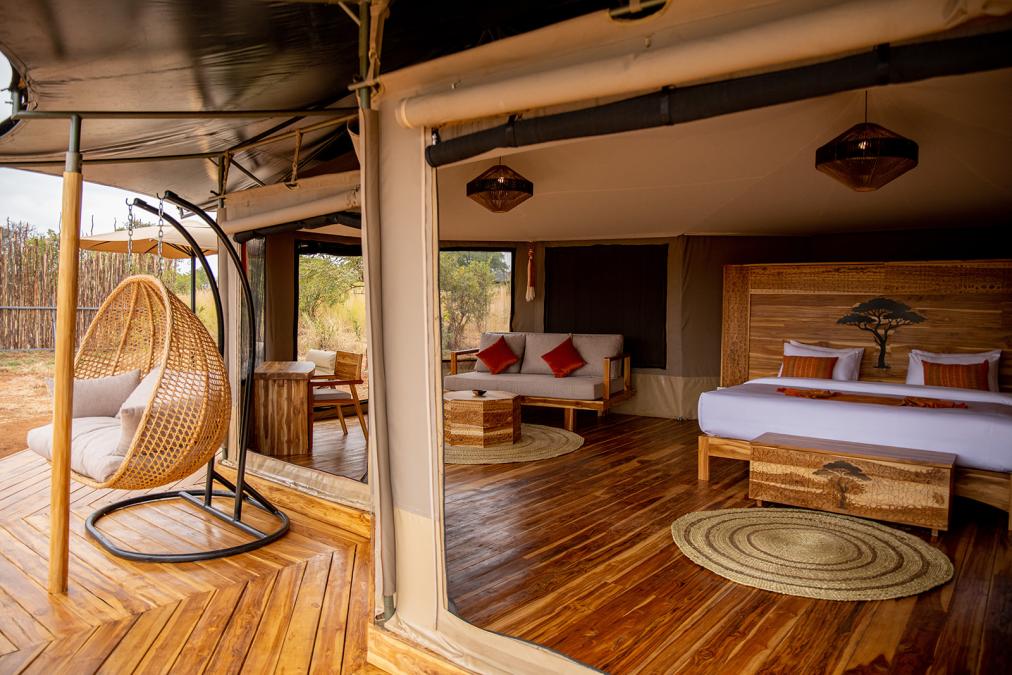
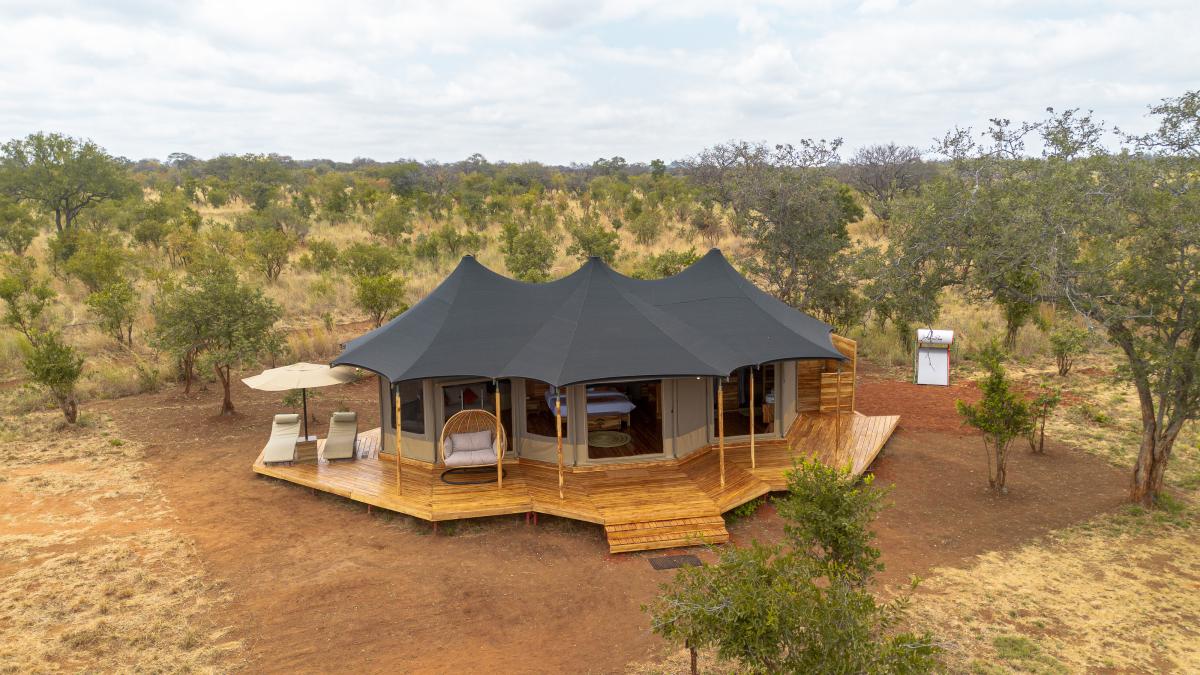
Accommodation at a luxury safari lodge should balance creature comforts with authentic wilderness connection. The best suites feature floor-to-ceiling windows or outdoor viewing areas, allowing you to observe wildlife from your room.
Quality matters in the details. Beds should be genuinely comfortable. Bathrooms should have reliable hot water and functional plumbing. Climate control should work reliably because temperature fluctuations in the African bush can be extreme. Lighting should be flexible, allowing you to control ambiance while maintaining functionality.
Wi-Fi connectivity has become a standard expectation. Quality properties offer reliable internet throughout the lodge, allowing you to stay connected if needed while maintaining the option to disconnect.
Storage and organization matter more than expected. Safari involves unpacking for several days and managing camera equipment. Quality suites include proper closets, drawers, and safe storage for valuables and electronics. Laundry service should offer same-day turnaround.
Amenities should reflect the lodge’s positioning. A truly luxury property includes thoughtful touches: quality toiletries, robes and slippers, perhaps a minibar with premium beverages. Some properties offer in-room spa services or specialized equipment like binoculars or field guides.
Gastronomy and Culinary Standards
Food quality at a luxury safari lodge directly affects your overall experience. You’re spending extended time in the field, often in physically demanding conditions. Meals become social anchors and energy sources.
Quality properties employ chefs trained in fine dining who understand how to source and prepare food in remote locations. They work with local suppliers to source fresh produce, proteins, and dairy while maintaining proper food storage and preparation standards.
The best properties offer diverse menus that change daily, accommodating dietary preferences and restrictions. Quality lodges plan ahead rather than improvise at meal time.
Culinary experiences beyond standard meals distinguish quality properties. Bush dinners under the stars, cooking demonstrations, or wine pairings sourced from African vineyards require advance planning and skilled execution.
Meal timing should be flexible. Quality lodges understand that safari schedules are unpredictable. If a wildlife sighting extends your game drive, the kitchen should accommodate a late breakfast. This flexibility requires kitchen staff who understand safari logistics.
Vehicle Quality and Safety Protocols
The safari vehicle is your interface with the wildlife and landscape. Vehicle quality affects comfort, safety, and viewing experience. Quality properties maintain vehicles in excellent mechanical condition with regular servicing schedules and replace vehicles systematically rather than waiting for breakdowns.
Safety protocols should be documented and practiced. Quality properties have answers about vehicle maintenance, inspection schedules, and emergency procedures. They maintain backup vehicles and carry spare parts and communication equipment.
Viewing comfort matters operationally. Vehicles should have comfortable seating, good visibility from all positions, and protection from sun and weather. Pop-up roofs are standard at quality lodges, allowing standing room for photography and wildlife observation.
Safety equipment should be present and functional. First aid kits, communication devices, and emergency supplies should be standard on every vehicle. Guides and drivers should be trained in first aid and emergency response.
Safari Lodge Sustainability Standards and Conservation Impact
Sustainability requires specific practices and measurable commitments beyond compliance. Quality luxury safari lodges work directly with conservation organizations, funding anti-poaching patrols, supporting wildlife research, or investing in habitat restoration. They track conservation impact with measurable metrics.
Environmental footprint management should be visible. Quality properties invest in infrastructure that reduces environmental impact: solar power, greywater recycling, and waste reduction programs are increasingly standard.
Staff employment practices reflect conservation values. Quality properties prioritize hiring from local communities, providing training and career development. They understand that long-term conservation depends on local communities supporting wildlife protection.
Visitor education is part of conservation strategy. Quality guides explain ecosystem dynamics and conservation challenges, helping guests understand that their presence funds conservation work.
Evaluating Exclusivity and Private Concessions
Exclusivity in safari context means controlled access to wildlife viewing areas. This might take several forms: a private concession leased exclusively to one lodge, exclusive viewing rights within a larger protected area, or simply remote location that naturally limits visitor density.
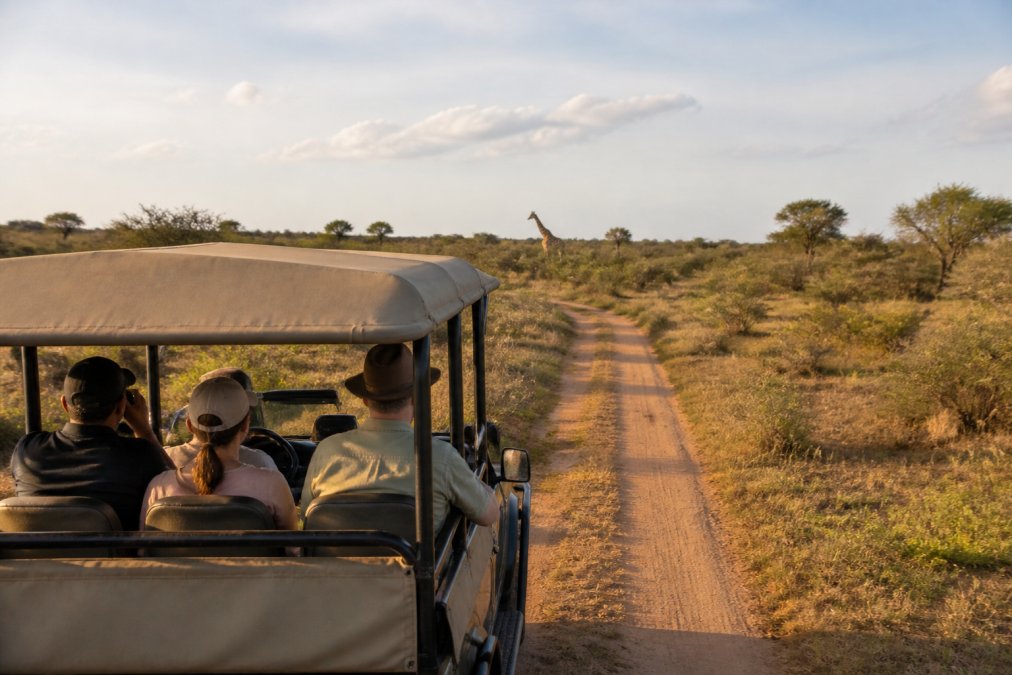
Private concessions offer the highest level of exclusivity. The lodge operates under a lease agreement giving it exclusive rights to a defined area. Guides can position vehicles off-road, spend extended time with wildlife, and develop deep knowledge of the specific ecosystem.
Ask about concession terms. How large is the concession? How long is the lease? What are the conservation requirements? Quality properties have transparent answers.
Guest density limits should be clearly defined. How many vehicles operate simultaneously? How many beds does the lodge maintain? Quality properties maintain strict limits, ensuring that even during peak season, you’re never competing with other operators for wildlife sightings.
Some lodges operate within national parks or shared protected areas where exclusive concessions aren’t possible. In these settings, the quality marker is how the lodge manages shared access through preferred guide relationships, operating at times when other operators are less active, or using local knowledge to find wildlife viewing opportunities away from crowds.
Exclusivity also relates to guest experience control. Quality properties maintain small group sizes and limit daily vehicle occupancy, prioritizing experience over volume.
Hidden Costs vs. All-Inclusive Pricing
Understanding what’s included versus what costs extra is essential for budgeting. Quality luxury safari lodges typically operate on all-inclusive models, but the specifics vary.
All-inclusive should mean: accommodation, meals, non-alcoholic beverages, and standard game drives. Beyond this, clarify what’s included and what costs extra.
Optional activities often carry additional charges. Night drives, walking safaris, bush dinners, and specialized experiences might be extra. Quality properties are transparent about these costs upfront.
Alcohol pricing varies substantially. Some lodges include wine and spirits in the all-inclusive package. Others charge per drink. Understand the policy before arrival.
Park fees and conservation levies are often separate line items. Quality properties clearly separate these from their own pricing.
Tipping conventions should be explained. Is gratuity included in the all-inclusive price, or is it expected separately? Quality properties provide guidance on customary tipping amounts.
International flights are almost never included, but ground transportation from the airport sometimes is. Clarify whether airport transfers are included.
Specialized services like photography guidance, birding expertise, or itinerary customization might carry additional fees. Quality properties explain these options clearly.
Ask specifically about what happens if you want to modify your itinerary. Quality properties have transparent pricing for modifications.
The most important principle: quality properties provide detailed cost breakdowns before booking. You should never be surprised by charges after arrival.
Understanding luxury safari lodge quality standards requires moving beyond marketing language to operational specifics. Location matters because it determines wildlife access. Guiding expertise matters because it transforms what you see into what you understand. Service quality matters because it enables flexibility in an unpredictable environment. Sustainability matters because it ensures that the ecosystems you’re visiting will exist for future travelers.
At Acacia African Safaris, we’ve built our reputation on these standards. We specialize in completely personalized itineraries at properties like Whispering Acacia that prioritize guiding expertise, wildlife proximity, and conservation impact. Our commitment to flexible route adjustments and curated experiences, from night safaris to bush dining, ensures that your safari reflects your specific interests. With seamless airport transfers and 24/7 contact support, we handle the logistics while you focus on the experience. Request Info to discuss how we can design a safari that meets your quality standards and exceeds your expectations.
Frequently Asked Questions
What makes a luxury safari lodge truly ‘luxury’ versus a standard lodge?
True luxury safari lodges combine several measurable factors: exclusive or private wildlife concessions limiting guest density, staff-to-guest ratios of 1:2 or better, guiding expertise with formal tracker certifications, all-inclusive pricing covering meals and most activities, and accommodation with creature comforts like en-suite bathrooms, quality linens, and reliable power. They also maintain active conservation programs and demonstrate genuine sustainability practices beyond marketing claims. Standard lodges typically operate on shared concessions with higher guest densities and offer basic amenities without these operational benchmarks.
How do I evaluate safari lodge service quality criteria before booking?
Request specific metrics: staff-to-guest ratios, guide certifications and years of experience, vehicle specifications and maintenance schedules, medical evacuation protocols, and conservation initiatives with measurable outcomes. Ask about typical game viewing success rates for your season and whether guides adjust itineraries based on wildlife sightings or guest interests. Verify whether the lodge operates its own private concession or shares access with competitors. Contact previous guests directly through the booking agent, and ask the lodge to document their safety protocols and staff training standards in writing before you commit.
Are sustainable practices and conservation standards required for luxury safari lodges?
Increasingly, yes. Discerning travelers expect luxury safari lodges to demonstrate measurable conservation impact: wildlife monitoring programs, habitat restoration projects, and genuine community benefit initiatives. Verify claims by asking for specific conservation outcomes (acres protected, species populations tracked, local employment numbers) rather than accepting general sustainability statements. Legitimate luxury lodges publish annual conservation reports and can name specific partnerships with research institutions or wildlife authorities. This commitment directly protects the wilderness experience you’re paying for and reflects the lodge’s operational integrity.
What should I expect regarding location and wildlife viewing quality at a luxury lodge?
Location determines wildlife proximity and viewing success. Premium luxury safari lodges occupy private concessions or exclusive access areas within major wildlife hotspots like the Serengeti or Masai Mara ecosystems. This positioning means shorter drive times to game viewing areas and lower guest density, reducing vehicle crowding at wildlife sightings. The lodge should offer night drives, walking safaris, and off-road driving privileges—amenities unavailable on shared concessions. Ask the lodge for typical game sighting frequencies during your travel season and whether guides have exclusive knowledge of specific animal territories within their concession.


