
Introduction
The “Big Five” – it’s a term every safari newbie will quickly encounter. Originally coined by hunters to describe the five most challenging animals to hunt on foot, today the Big Five (lion, leopard, elephant, rhinoceros, and Cape buffalo) represent the must-see royalty of African wildlife. In this captivating wildlife guide, we introduce each of the Big Five, painting a picture of their behavior and habitat, and share where first-time safari travelers are most likely to spot them in East Africa. By the end, readers will not only know why these animals are so famous, but also feel an intimate connection to each creature’s story.
🦁 Lion – The King of the Savannah:
No animal embodies the safari experience quite like the lion. Lions live in social prides, often lounging under the shade during the day and becoming active in the cool hours of dawn and dusk. The thunderous sound of a male lion’s roar can carry for miles across the plains – a nighttime lullaby (or wake-up call!) you might hear from your tent. In East Africa, the best places to see lions include Tanzania’s Serengeti National Park and Kenya’s Maasai Mara, where large prides rule the open plains. These big cats are at the top of the food chain, and sightings often include memorable scenes: playful cubs tumbling over each other, lionesses on the hunt, or a majestic male surveying his domain. Prime time to catch lions in action is early morning or late afternoon when they’re on the move. Encourage your readers to have their cameras ready – a lion’s yawn can turn into a roar without warning, offering the photo of a lifetime.
🦏 Rhinoceros – The Rare Treasure:
The rhino, whether the two-horned black or the larger white, is the hardest of the Big Five to spot. These prehistoric-looking giants are critically endangered (especially black rhinos) due to poaching, making a sighting a special event. Rhinos are typically solitary and often hide in thick bush. East Africa’s top spot for rhino sightings is the Ngorongoro Crater in Tanzania, one of the few places where black rhinos still roam free and can often be seen grazing on the crater floor. Kenya’s Lake Nakuru National Park is renowned for white rhinos, and private conservancies like Lewa Downs or Ol Pejeta in Kenya also protect significant rhino populations. Seeing a rhino in the wild is a humbling experience – these armoured herbivores move silently for their size, and if you’re downwind, you might get quite close. We remind readers to always keep a distance and stay quiet; a mother rhino with a calf is highly protective and will charge if threatened. But with an experienced guide, a glimpse of a rhino munching on grass in the wild is a memory to cherish.
🐘 Elephant – The Gentle Giant:
Elephants capture hearts with their intelligence and complex social bonds. Herds led by wise matriarchs traverse great distances for food and water, communicating with low rumbles that sometimes vibrate through the ground. On safari, you might first spot a distant grey silhouette that magically turns into a six-ton giant as you approach. Seeing elephants up close – watching a baby trot after its mother or witnessing them flap their ears and spray dust to keep cool – is often a highlight for first-time safari-goers. East Africa is home to tens of thousands of elephants. In Amboseli National Park, Kenya, for example, you can observe some of Africa’s largest elephant bulls with the stunning backdrop of Mount Kilimanjaro. Tarangire National Park in Tanzania is another elephant paradise, famous for its massive herds that gather around the Tarangire River. We also mention conservation challenges: habitat loss and ivory poaching have impacted elephant populations, so seeing them in protected areas is even more special. Emphasize the joy and respect in watching these gentle giants in the wild – from a safe, non-intrusive vantage, often just a few yards away as they peacefully graze or play
🐆 Leopard – The Elusive Stalker:
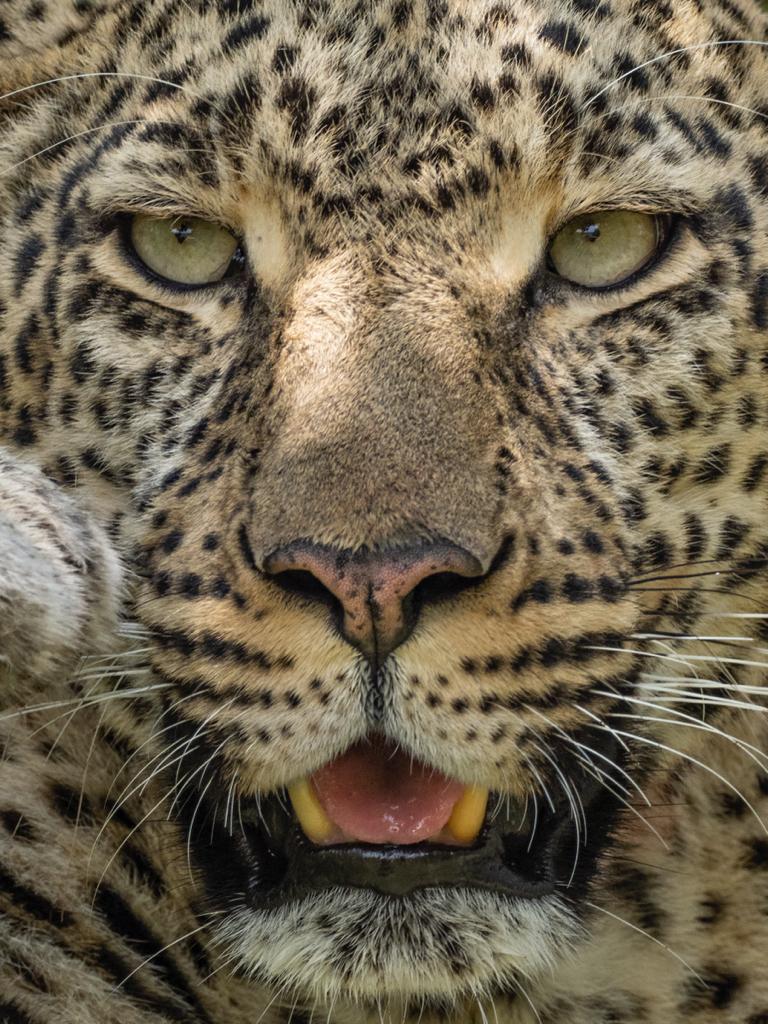
Spotting a leopard is like finding a hidden treasure. These big cats are solitary and stealthy, often camouflaging in tall grass or lounging on tree branches during the day. Leopards are mostly nocturnal, so catching one in daylight feels like winning the safari lottery. Lucky travelers might see a leopard draped over an acacia tree limb, tail swishing as it rests, or moving silently through the dusk. Serengeti National Park’s riverine forests and the Mara’s wooded areas are leopard territory, as are reserves like Samburu in Kenya or Ruaha in Tanzania. In this section, we’ll describe the thrill of a leopard sighting – the guide’s hushed excitement when they spot a rosette pattern in the leaves, then pointing until the majestic spotted cat comes into focus for everyone. We’ll advise patience: leopards are masters of stealth, so staying quiet and scanning trees and rocky outcrops is key. Seeing a leopard’s piercing gaze through the foliage at dusk, even for a few seconds, is an experience that will give any traveler goosebumps.
🐃 Buffalo – The Unstoppable Herds:
Often underestimated by first-timers, the African buffalo is actually one of the continent’s most dangerous animals (especially when solo males are in a foul mood). In a group, however, buffaloes are impressive rather than frightening – imagine a herd of hundreds, their hoofbeats resonating through the ground as they move in search of water. They have a fearless look and a “boss” (the thick horn base) that acts like living armor. Buffalo are widespread in East Africa and relatively easy to spot in almost every major park – from the savannas of Maasai Mara and Serengeti to the wetlands of Queen Elizabeth National Park in Uganda. We recount a scene to capture readers’ imaginations: You’re parked by a riverbank watching a herd of buffalo. Oxpecker birds hitch rides on their backs, eating ticks. One massive bull eyes your vehicle with curiosity. In that moment, you realize even the herbivores here are powerful and deserving of respect. The blog can mention that buffaloes, while not often the main goal like a lion, end up wowing visitors with their sheer numbers and the drama of seeing big herds – especially when being stalked by lions or calmly grazing with egrets flapping around them.
Where & How to See Them:
Throughout the descriptions above, we’ve woven in the best places to see each of the Big Five in East Africa. To recap a few top recommendations:
- Lions: Abundant in Serengeti (Tanzania) and Maasai Mara (Kenya), especially during the Migration when prey is plentiful.
- Leopards: Look in wooded areas of Serengeti, Maasai Mara, Lake Nakuru, or Queen Elizabeth NP. They’re elusive, but guides often know favored trees or rocky kopjes where leopards like to lounge.
- Elephants: Huge herds in Amboseli NP (Kenya) – known for up-close elephant encounters with Kilimanjaro in the backdrop. Also, Tarangire NP (Tanzania) and Samburu (Kenya) for unique experiences (like elephants digging for water in dry riverbeds).
- Rhinos: Your best bet in East Africa is Ngorongoro Crater (Tanzania) for black rhinos. In Kenya, Ol Pejeta Conservancy (near Mount Kenya) or Lake Nakuru NP are great for white rhinos.
- Buffalo: Common in nearly all major parks – often in big herds in Serengeti, Ngorongoro, Maasai Mara, and the Murchison Falls NP (Uganda). They love water, so check marshy areas and riversides.
Encourage readers to trust their expert guides, who communicate with each other about recent sightings. A good guide will know where a lion pride was seen at dawn or where fresh rhino tracks were spotted. Patience is key – sometimes you might spend an hour tracking a leopard, or waiting quietly by a watering hole for animals to appear. But when you finally see that big cat slinking through the grass or a massive elephant flapping its ears, it’s worth every moment of anticipation. This blog post will leave readers informed about these iconic animals and even more eager to meet them in person, armed with knowledge on how to maximize their chances of sightings and appreciate the Big Five in a responsible, respectful way.


