
Introduction
There’s a moment on every East African safari when it hits you – the sun starts to rise over the savannah, painting the sky in pastels, and the distant roar of a lion echoes through the crisp morning air. In this post, we set the scene for first-time travelers, highlighting the unique landscapes, abundant wildlife, and rich cultures that make East Africa a premier safari destination. An East African safari is more than a holiday; it’s a life-changing experience connecting you with nature and the local way of life.
Landscapes that Take Your Breath Away:
East Africa’s landscapes are wonderfully diverse and awe-inspiring. From the endless golden plains of the Serengeti and Maasai Mara to the towering, cloud-wreathed peak of Mount Kilimanjaro, the scenery is straight out of a dream. Imagine rolling savannahs dotted with flat-topped acacia trees, pink-hued dawn skies over the Great Rift Valley, and sunsets that silhouette grazing elephants and giraffes on the horizon. In one safari, you might traverse arid deserts, lush wetlands, and misty highland forests, each habitat home to different wildlife. These landscapes aren’t just backdrop – they’re characters in your safari story, providing ever-changing drama and beauty. Whether you’re driving across the open plains of the Serengeti or winding through the green hills of Uganda, each turn offers a new postcard-worthy view.
Wildlife Encounters Up Close:
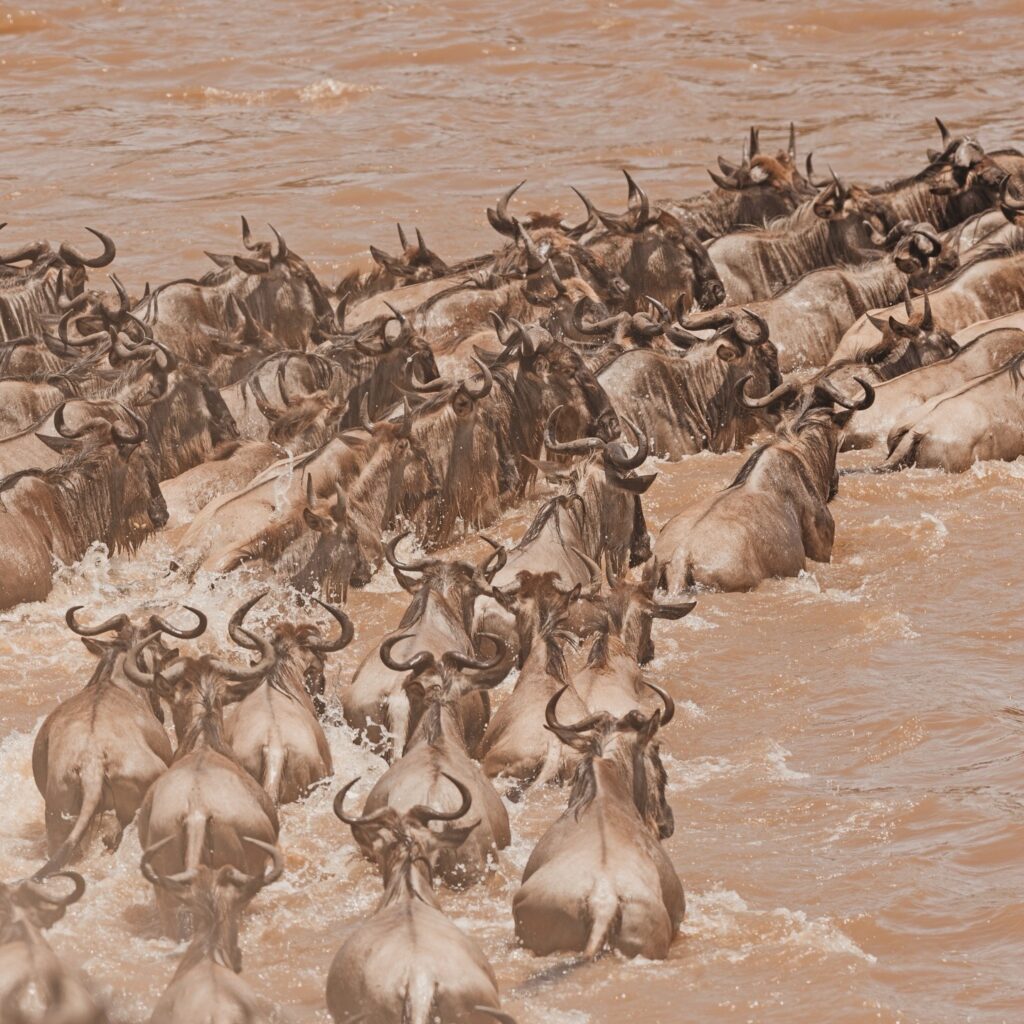
No image or documentary fully prepares you for the thrill of seeing wildlife in person. East Africa’s wildlife is unparalleled, boasting the legendary Big Five (lion, leopard, elephant, rhino, buffalo) along with countless other species. On your first game drive, you might find yourself quietly watching a lion pride lounging under a tree, or a herd of elephants rumbling by, close enough to hear them tearing grass. Giraffes may glide past like patterned giants; a crash of rhinos could be grazing by a waterhole; herds of zebra and wildebeest stretch across the plains as far as the eye can see. If you’re lucky, you might even witness dramatic moments like a cheetah sprinting after prey or a wildebeest crossing a river during the Great Migration. Early mornings and late afternoons are prime times – animals are active in the cool hours, and you’ll catch stunning golden light for photography. The experience is immersive: the air filled with birdsong and the earthy scent of the bush, the excitement of scanning for a flash of stripes or a flick of a tail in the grass.
Cultural Encounters & Local Life:
A true East African safari isn’t just about animals; it’s also about people. This post describes how travelers can meet the Maasai and other local communities, adding a rich cultural dimension to their journey. Envision visiting a Maasai village on the plains: you’re welcomed with smiles and traditional songs, and you step into a family’s thatched hut (boma) to see how they live. Around a crackling campfire in the evening, Maasai warriors perform a jumping dance under the stars, and you find yourself mesmerized by the rhythmic chanting. These genuine cultural interactions give context to the land you’re exploring, connecting you with those who have been its stewards for generations. You might learn a few phrases of Swahili (East Africa’s lingua franca) or taste local cuisine like ugali (maize porridge) and grilled meats, discovering new flavors and traditions. Such experiences highlight the warmth and hospitality of East African cultures and remind us that safaris are as much about human connections as they are about wildlife.
The Emotions of a First Safari:
For first-timers, an East African safari can be a profound emotional journey. There’s the anticipation as you plan, the wonder of that first animal sighting, and the sense of peace that comes from disconnecting from city life and tuning into nature’s rhythm. Safari-goers often describe feeling deeply moved when they lock eyes with a wild elephant or watch the sun set to a chorus of cicadas and distant hyena calls. In this blog post, we reassure novices that it’s normal to have questions and even a few jitters – after all, you’re venturing into the wilderness. But with professional guides by your side, that mix of excitement and uncertainty soon gives way to awe and relaxation. By the end of your journey, you might find that a piece of the savannah has nestled into your soul. As the campfire embers die down on your last night, you’ll reflect on how far you’ve traveled – not just in miles, but in personal transformation. East Africa’s wild magic has a way of changing how we see the world, and this post invites your readers to take the first step on that journey with open hearts and a spirit of adventure.


